%2Ffit-in%2F250x250%2Fguide_websites%2F180847%2Fimages%2F17861155507768697ded2-f313-4670-a577-ace46d53ec54.png&w=1920&q=100)
/users/62574cc1-4d28-40e6-bbef-12758d7cfc83/ratecard/744198748_122124639339352338_2658340077562078800_n-mrwxlfu1.jpg)
%2F300x300%2Fusers%2F62574cc1-4d28-40e6-bbef-12758d7cfc83%2Fratecard%2F744198748_122124639339352338_2658340077562078800_n-mrwxlfu1.jpg&w=256&q=75)
%2F300x300%2Fusers%2F62574cc1-4d28-40e6-bbef-12758d7cfc83%2Fimages%2Fclear-stream-owls-head-ny-2595.jpeg&w=256&q=75)
%2F300x300%2Fusers%2F62574cc1-4d28-40e6-bbef-12758d7cfc83%2Fimages%2Fowls-head-rocky-cliff-trail-2606.jpeg&w=256&q=75)
%2F300x300%2Fusers%2F62574cc1-4d28-40e6-bbef-12758d7cfc83%2Fimages%2Fbass-catch-owls-head-ny-2775.jpeg&w=256&q=75)
%2F300x300%2Fusers%2F62574cc1-4d28-40e6-bbef-12758d7cfc83%2Fimages%2Ffrozen-stream-winter-owls-head-2616.jpeg&w=256&q=75)
%2F300x300%2Fusers%2F62574cc1-4d28-40e6-bbef-12758d7cfc83%2Fimages%2Fnorthern-pike-owls-head-ice-2727.jpeg&w=256&q=75)
%2F300x300%2Fusers%2F62574cc1-4d28-40e6-bbef-12758d7cfc83%2Fimages%2Fnorthern-pike-ice-fishing-owls-2650.jpeg&w=256&q=75)
%2F300x300%2Fusers%2F62574cc1-4d28-40e6-bbef-12758d7cfc83%2Fimages%2Fice-fishing-catch-owls-head-2625.jpeg&w=256&q=75)
%2F300x300%2Fusers%2F62574cc1-4d28-40e6-bbef-12758d7cfc83%2Fimages%2Fice-fishing-owls-head-setup-2533.jpeg&w=256&q=75)
%2F300x300%2Fusers%2F62574cc1-4d28-40e6-bbef-12758d7cfc83%2Fimages%2Fwinter-group-adventure-owls-head-2558.jpeg&w=256&q=75)
%2F300x300%2Fusers%2F62574cc1-4d28-40e6-bbef-12758d7cfc83%2Fimages%2Fbass-catch-owls-head-ny-2615.jpeg&w=256&q=75)
Paddle Into Adirondack Fishing Action
 Owls Head, New York
What you will be catching:
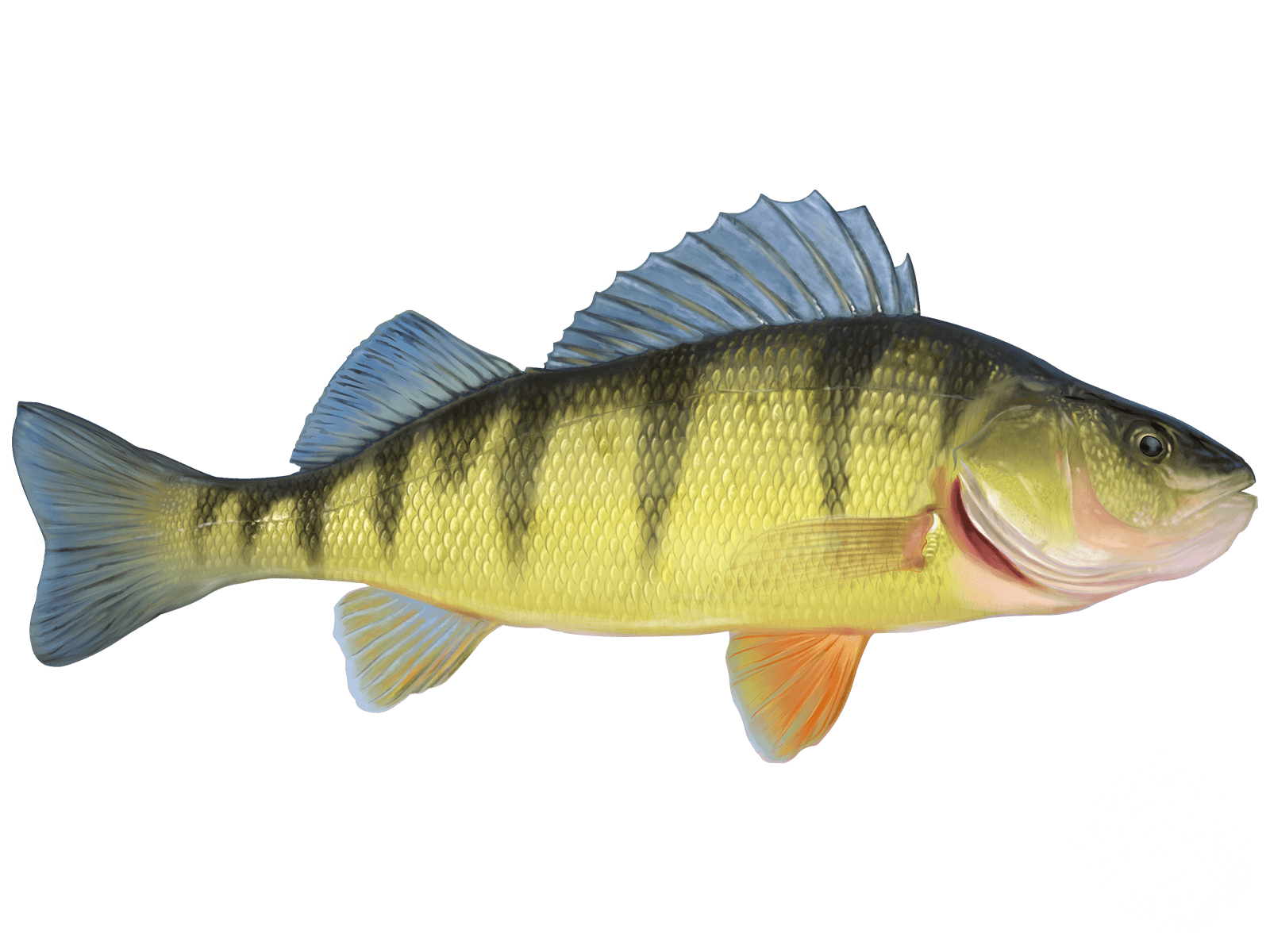
 American Yellow Perch
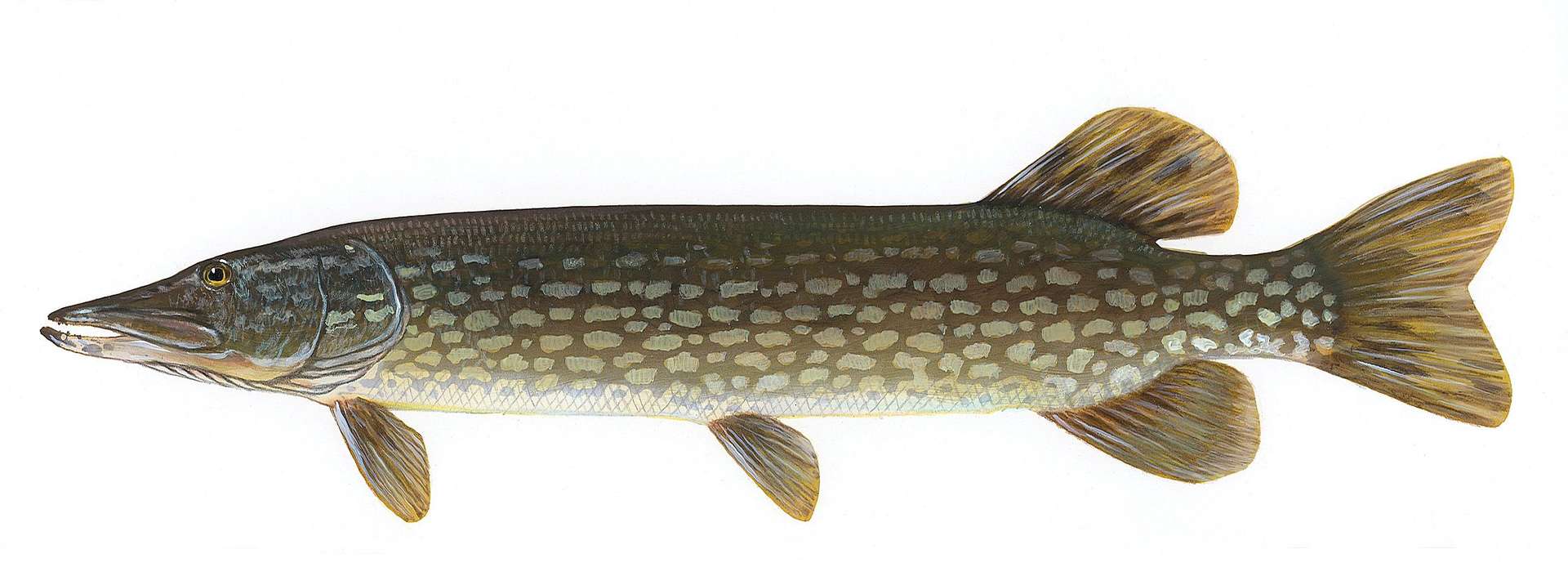
 Northern Pike
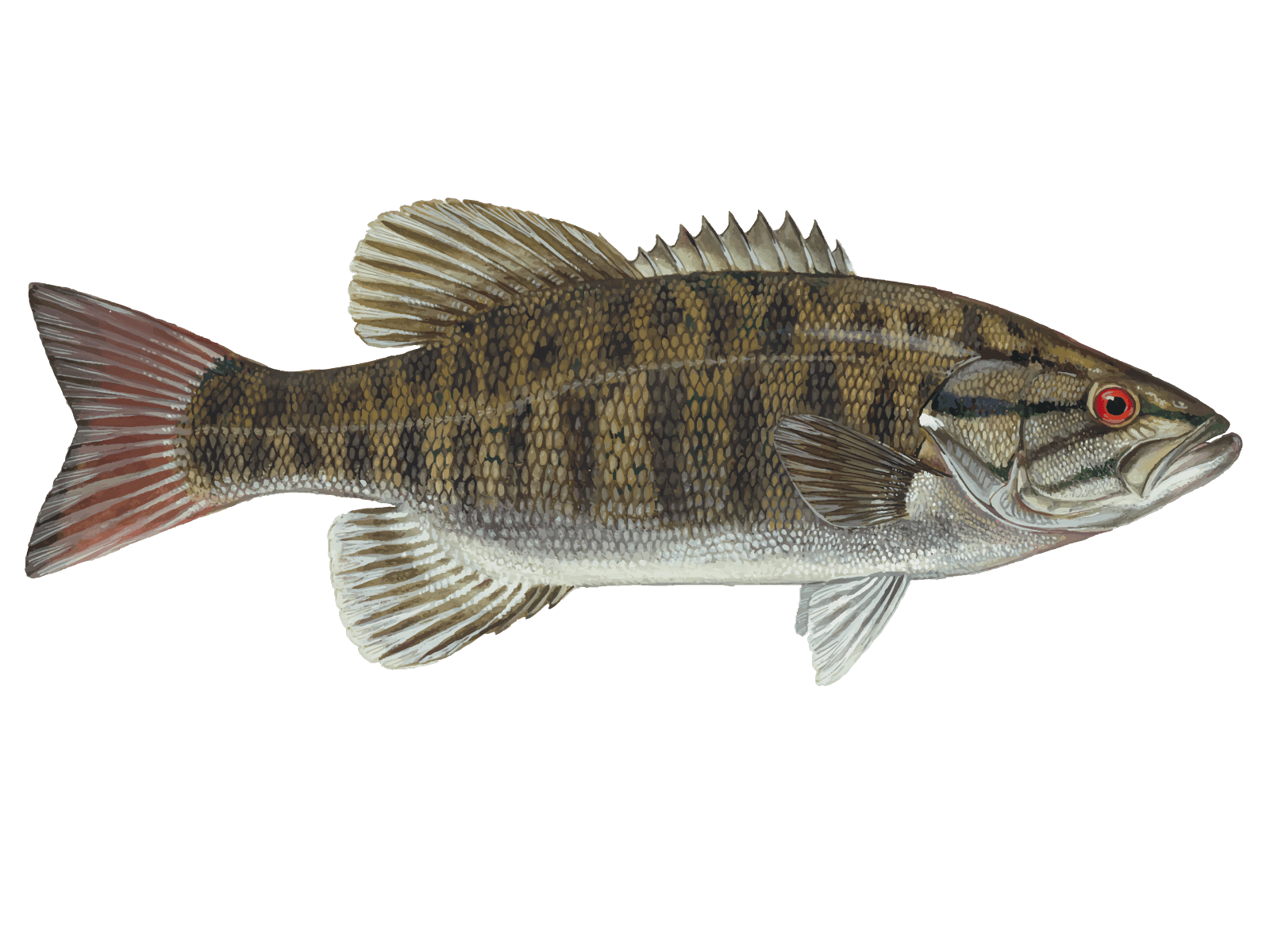
 Smallmouth Bass
- Kayak fishing adventure on pristine Adirondack lakes near Owl Head
- Target bass, pike, and perch with provided equipment and expert guidance
- Single-guest trips combine peaceful paddling with productive spin casting
Trip Pricing and Availabilities:
Paddle Into Adirondack Fishing Action
Picture yourself drifting quietly across a pristine Adirondack lake, rod in hand, surrounded by the kind of wilderness that makes upstate New York famous. That's exactly what you'll get with Reel Dill Outfitters' top-rated paddle fishing adventure around Owl Head. This isn't your typical shore-bound fishing trip – we're talking about getting up close and personal with some of the region's best fishing spots from the comfort of a kayak or canoe. The water gives you access to structure and drop-offs that bank anglers can only dream about, and the peaceful paddle between fishing holes is half the fun. Whether you're breaking in a buddy who's never held a rod or you're looking to switch up your usual fishing routine, this trip delivers that perfect mix of relaxation and action that keeps anglers coming back season after season.
What to Expect on the Water
Your day starts with getting set up in either a stable fishing kayak or canoe – whatever matches your comfort level and the day's conditions. The beauty of this setup is how it puts you right in the fish's neighborhood without all the noise and commotion of a motorboat. You'll be working primarily with spin casting gear, which is perfect for the varied structure you'll encounter around these Adirondack waters. The lakes around Owl Head offer everything from shallow weed beds where pike like to ambush prey to rocky points where smallmouth bass hang out waiting for crayfish and minnows. Your guide knows these waters like the back of their hand and will position you over the most productive spots depending on weather, season, and what the fish have been doing lately. The paddle-powered approach means you can slip into tight spots and work shoreline structure that bigger boats simply can't reach. Plus, there's something special about the quiet approach – fish are less spooked, and you'll often find yourself in the middle of feeding activity that would shut down the moment an outboard fires up.
Techniques & Gear Breakdown
Reel Dill provides all the essential gear, so you don't need to worry about hauling your tackle box through the woods. You'll be working with quality spinning rods matched to the target species – medium action setups that can handle everything from scrappy perch to the occasional bruiser pike. The lure selection focuses on proven Adirondack producers: spinnerbaits for working through vegetation, crankbaits for covering water and hitting different depths, and soft plastics for when the fish get finicky. Live bait is also part of the program, particularly effective for perch and when you want to give newcomers the best shot at steady action. The casting approach from a kayak or canoe takes a little getting used to if you've never done it before, but most folks pick it up quickly. You'll learn to work with the boat's position instead of fighting it, using the paddle to make subtle adjustments and keep your lures in the strike zone longer. The low profile puts you closer to the water, which makes every fish feel bigger when it hits and gives you a better sense of what your lure is doing down there. Don't forget – you'll need a valid New York fishing license before you hit the water, something you can easily pick up online or at local sporting goods stores.
Target Species You'll Hook
Northern pike are the apex predators in these Adirondack waters, and they're exactly what you'd want from a gamefish – aggressive, hard-fighting, and always ready to slam a well-presented lure. These toothy critters love to hang around weed edges and fallen timber, where they can ambush everything from perch to small bass. Pike fishing from a kayak is particularly exciting because you're working right in their territory, casting into the shallow cover where big fish feel comfortable. Spring and fall tend to be the most productive times, when pike move into the shallows to feed heavily. A good pike will test your drag and give you a fight you'll remember, with jumps and runs that'll get your heart pumping. Most of the pike you'll encounter run between 20 to 30 inches, but don't be surprised if you tangle with something pushing the 35-inch mark – the kind of fish that'll have you talking about this trip for years.
Smallmouth bass are probably the most consistent performers in these waters, and they're absolute dynamite when it comes to fighting ability. These bronze-backed fighters prefer rocky areas and drop-offs, places where your paddle-powered approach really shines. Smallmouth are structure-oriented fish, hanging around boulders, rocky points, and the edges of weed beds where they can pick off crayfish and small baitfish. They're most active during the warmer months, from late spring through early fall, and they'll hit everything from topwater lures at dawn to deep-diving crankbaits during the midday hours. A typical Adirondack smallmouth runs 12 to 16 inches, but the area produces plenty of fish over the 17-inch mark that'll put a serious bend in your rod. What makes smallmouth special is their attitude – pound for pound, they're one of the hardest fighting freshwater fish you'll encounter, with aerial displays and bulldogging runs that'll test your skills.
American yellow perch might not have the glamour of pike or the fighting spirit of bass, but they're the bread and butter of Adirondack fishing for good reason. These school fish provide consistent action when you locate them, and they're absolutely delicious if you decide to keep a few for dinner. Perch relate to structure just like the bigger gamefish, but they're often found in slightly deeper water, especially during summer when they seek cooler temperatures. The great thing about perch fishing from a kayak is your mobility – once you locate a school, you can stay with them as they move along drop-offs and weed edges. Peak perch fishing typically happens in late fall and early spring when they're feeding heavily, but you can find them throughout the season if you know where to look. Most perch in these waters run 8 to 12 inches, with the occasional jumbo
Learn more about the species
American Yellow Perch
Yellow perch are perfect for getting kids hooked on fishing - they're abundant, cooperative, and absolutely delicious. These golden beauties with dark vertical stripes typically run 6-10 inches and travel in schools, so where you catch one, you'll likely find more. Look for them around docks, weed beds, and shallow bays, especially during spring when they move close to shore. They bite year-round but are most active in cooler water. What guests love most is the steady action and the fact that perch make some of the best eating you'll find in these lakes - sweet, flaky white meat that's hard to beat. Simple tip: use small jigs tipped with worms or minnows, and once you locate a school, work that area thoroughly. They'll often suspend at the same depth.
Northern Pike
Northern pike are the Adirondacks' most aggressive predators, averaging 2-3 feet with that unmistakable torpedo shape and razor-sharp teeth. These "freshwater sharks" lurk in weedy shallows and around drop-offs, staying cool in deeper water during summer heat. Spring and fall offer the best action when they're actively hunting in the shallows. What makes pike special is their explosive strike - they'll slam your lure with serious attitude, then put up a strong, determined fight. Plus, they're not picky eaters, so spinners, spoons, and swimbaits all work well. My go-to tip: when you feel that first hit, don't set the hook immediately. Pike often grab prey sideways first, so give them a second to turn it around and swallow before setting.
Smallmouth Bass
Smallmouth bass are pound-for-pound the strongest fighters in our Adirondack waters, typically running 12-16 inches with that classic bronze coloring and red eyes. These scrappy fish love rocky bottoms, drop-offs, and boulder fields where they ambush crayfish and minnows. Early morning and evening produce the best bites, with spring and fall being prime time when they're shallow and aggressive. What makes smallmouth so popular is their fighting spirit - they'll jump, dive, and give you everything they've got on light tackle. They're also excellent eating with firm, white meat. The key trick up here is to downsize your presentation. These fish can be finicky, so lighter line and smaller lures often make the difference between a good day and a great one.
About the Reel Dill Outfitters
%2F%2Fusers%2F62574cc1-4d28-40e6-bbef-12758d7cfc83%2Fvehicle_picture%2Fsnapinsta.to_740812613_18134376901583506_2504052651621839853_n-mrwwvh9e.jpg&w=1920&q=75)
Vehicle Guest Capacity: 1